
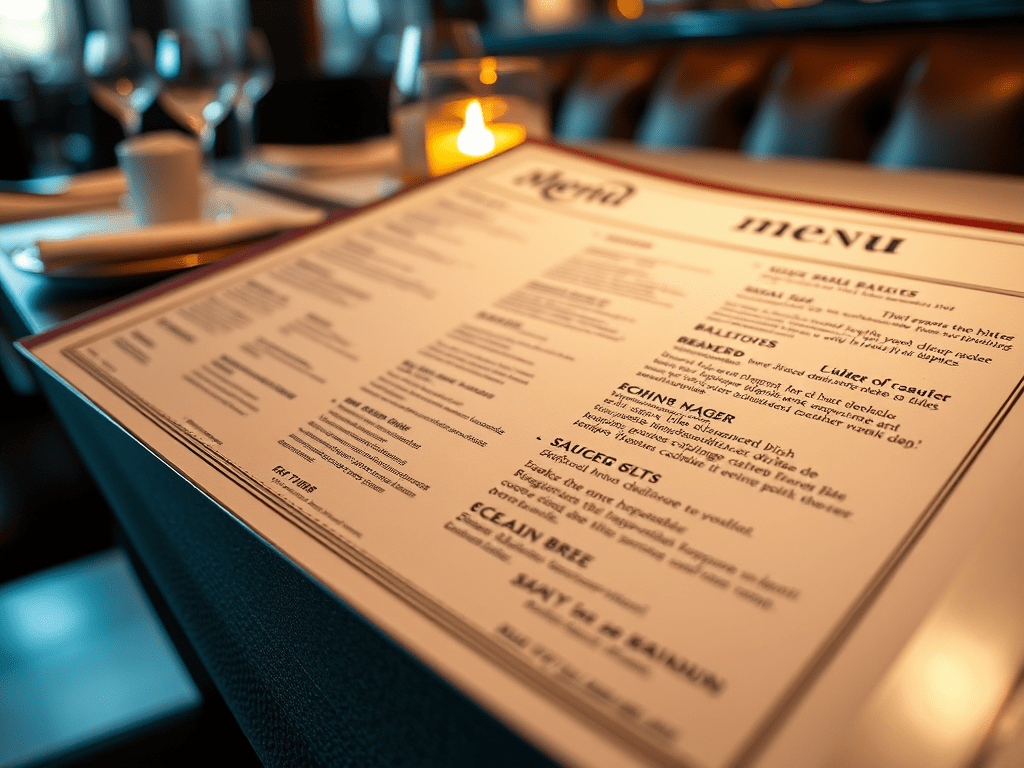
Menus as Brand Tools: Designing Beyond the Dish
A menu is more than a simple list of food and drink offerings – it’s a key part of your brand identity, a tool for driving sales, and a critical piece of customer experience. Whether printed, digital, or displayed on boards, a well-designed menu plays a vital role in shaping how guests perceive your business.
What Is the Purpose of a Menu?
At its core, a menu serves to inform customers about what’s available, including dish names, descriptions, and prices. But in reality, it does so much more – it guides decisions, sets expectations, and influences the overall atmosphere of your establishment.
The Power of Good Menu Design
1. First Impressions Count
Your menu is often one of the first things a guest interacts with. A thoughtfully designed menu that aligns with your interior style, logo, and visual identity reinforces professionalism and builds trust before the first bite.
2. Drives Profitability Through Strategic Layout
Smart menu design can increase average spend. Techniques such as placing high-margin items in “prime spots,” using subtle design cues, and writing tempting descriptions can gently guide the customer toward certain choices – this is known as menu engineering.
3. Communicates Your Brand Personality
Whether your brand is luxurious, casual, playful, or eco-conscious, the design and tone of your menu can reflect that. Everything from the typeface to the paper stock contributes to how your business is perceived.
4. Improves Operational Efficiency
Clear, concise menus reduce order errors and speed up service. This is especially true for high-volume venues, where simplicity and legibility can make a big difference in customer flow and satisfaction.
5. A Marketing Tool in Disguise
Menus often double as marketing collateral – when guests take them home, share them online, or when they’re available to download from your website. They help increase brand awareness, repeat business, and even attract new customers.
Types of Menus for Businesses
- À la carte menus – individually priced items, perfect for upscale dining
- Set menus – pre-selected courses at a fixed price, often for events or lunch service
- Tasting menus – curated multi-course experiences for fine dining
- Drinks menus – cocktails, wines, or coffee presented with flair
- Room service menus – clear, elegant, and accessible for hotels
- Takeaway/delivery menus – optimised for clarity, portability, and branding
Essentials to Include in a Menu
- Item names and short descriptions
- Prices, including options for extras or substitutions
- Icons for dietary requirements (vegan, gluten-free, etc.)
- Allergen disclaimers
- High-quality photography (if appropriate)
- Clear branding: logo, colours, fonts
- Website or QR code for online browsing or ordering
Final Thoughts
A menu is more than just a functional tool – it’s an opportunity to communicate who you are, what you offer, and why your guests should choose you. When done right, a menu becomes a silent ambassador for your brand, influencing customer choices, elevating the dining experience, and ultimately driving your business forward.
 Milkov Brand + Marketing